Foldable e‑bikes promise a compact solution for commuters who need a motor‑assist but lack storage space. The convenience, however, comes with several compromises that buyers should consider before making a purchase.
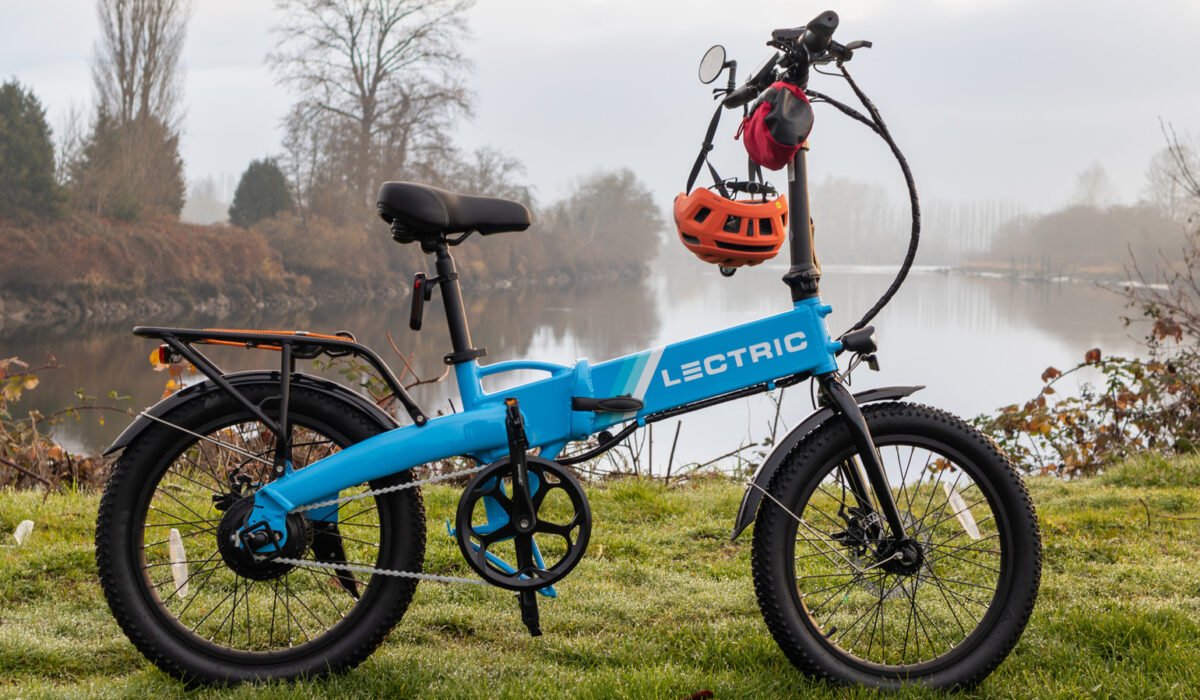
Weight remains a primary concern. A bike that folds does not automatically become lightweight. The frame must accommodate hinges, locks, a motor and a battery, all of which add mass. For example, Lectric’s folding XP4, equipped with a 500‑watt motor, weighs 62 pounds on its own; the battery adds another seven pounds, bringing the total to roughly 69 pounds (31 kg). Even without the battery, the bike is still heavy enough to be a challenge when lifting into a car or carrying up stairs. Some models allow you to roll the bike while it’s folded, which eases handling, but the overall heft can still be problematic, especially on public transport. Amtrak, for instance, limits electric bikes to 50 pounds, effectively excluding heavier models like the Lectric XP4. Additional accessories such as baskets or pannier bags further increase the load and may need to be removed for safe transport.
Ride comfort can suffer as well. To keep the folded package small, many bikes use smaller wheels, which transmit bumps from rough pavement, potholes and uneven surfaces more sharply than larger‑wheel counterparts. Narrow tires and the absence of suspension can amplify this effect. The saddle’s design and adjustability also play a role; a poorly positioned saddle can make the ride uncomfortable even if the frame folds smoothly. Manufacturers such as Tern advise riders to fine‑tune saddle height and angle for optimal comfort, but the adjustment range may not suit every rider. Some brands mitigate these issues with wider tires or built‑in suspension, but those features add weight and bulk, counteracting the goal of a lightweight, compact bike.
Terrain suitability is another factor. Compact folding e‑bikes excel on smooth, short routes but are less suited for long commutes over pothole‑riddled streets or for rural trails with rutted ground. Prospective owners should check the manufacturer’s recommended terrain and test the bike on surfaces similar to their daily routes, paying close attention to steering response and braking performance.
Battery capacity and motor power often take a hit in smaller frames. While a foldable e‑bike is not inherently underpowered, a reduced battery size can limit range. Lectric notes that the XP4’s range varies with rider load, terrain and weather, meaning that demanding conditions can sharply cut mileage. Smaller trips on flat roads with minimal cargo will yield better results than long rides on hilly or windy routes.
Price is the final piece of the puzzle. High‑end folding e‑bikes command a premium, with models like Brompton’s Electric C Line starting at $4,700, the lighter Electric P Line at $5,500, and the top‑of‑the‑line Electric T Line reaching $7,850. Paying more does not guarantee a lighter bike or a longer range, and ongoing maintenance costs must also be factored into the total expense.
Given these trade‑offs, the best approach is to test a bike before buying. Lift it with the battery installed, fold it, and carry it a short distance to gauge how manageable it feels. Measure the folded dimensions to ensure you have adequate storage at home, work or on the go. By weighing weight, comfort, terrain suitability, range and price, you can decide whether a foldable electric bike truly meets your commuting needs.