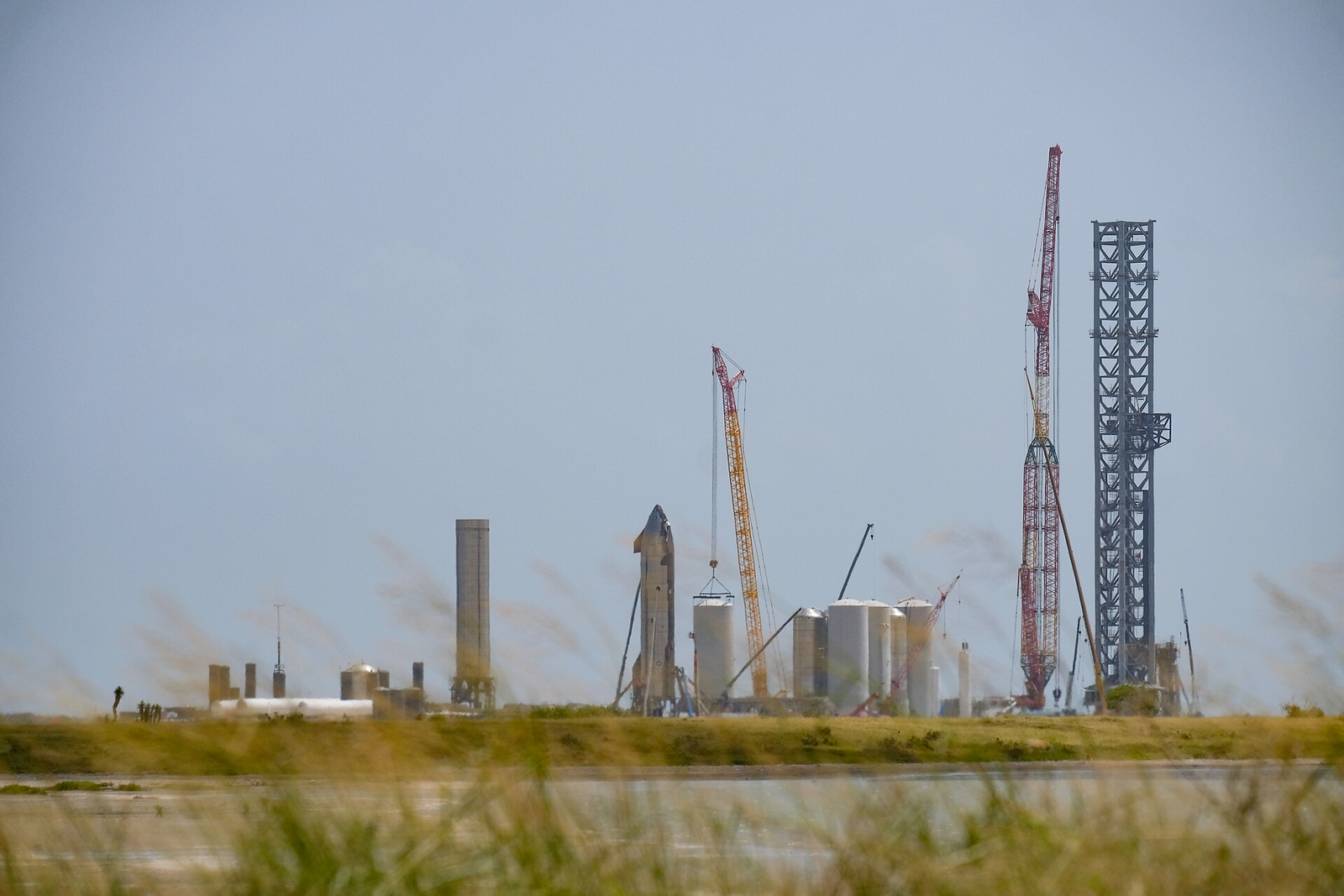
Elon Musk’s SpaceX wants to build its own power station. A public hearing notice shows plans for a roughly $24 billion gas-fired power plant and super-compute facility in Starbase, Texas, the South Texas city around its Starship launch site. The plan, first reported by Bloomberg and confirmed by Reuters, would see SpaceX build, own and operate both facilities. It is the clearest sign yet that Musk’s rocket company now sees itself as an AI company too.
Why build a power plant at all
The short answer is the grid. Connecting a giant computing facility to the Texas power grid can mean years of waiting in a queue. Building a gas plant next door skips that wait, and for a company racing to add computing capacity, time is worth more than the bill. The notice describes $24 billion as the estimated capital investment for the project’s initial phases, with more phases possible. If it goes ahead, it would be among the largest private investments ever made in the Rio Grande Valley.
SpaceX is already moving its own gas. Affiliate Lone Star Mineral Development has filed plans for an eight-mile pipeline called Starpipe, due in service by January 2027, to feed a plant turning gas into liquid methane for Starship rockets. A separate permit application, reported by Chosun Biz, describes a 748-megawatt plant with 35 gas turbines.
The timing could hardly be worse
The filing lands as the politics of data centers turn hostile. Voters rejected data center projects in 40 of 41 local ballot measures, Reuters reported, and Democrats who campaigned on pausing new projects took control of Congress and the Texas governor’s office. That puts SpaceX’s plan in front of a political class newly sceptical of such projects.
The first test comes on December 9, when the Starbase City Commission considers the tax abatement SpaceX has applied for, plus a related economic development agreement. The notice says nothing about the size or length of the abatement, so the public debate is only starting. A $24 billion project seeking a tax break in a company town will attract attention.
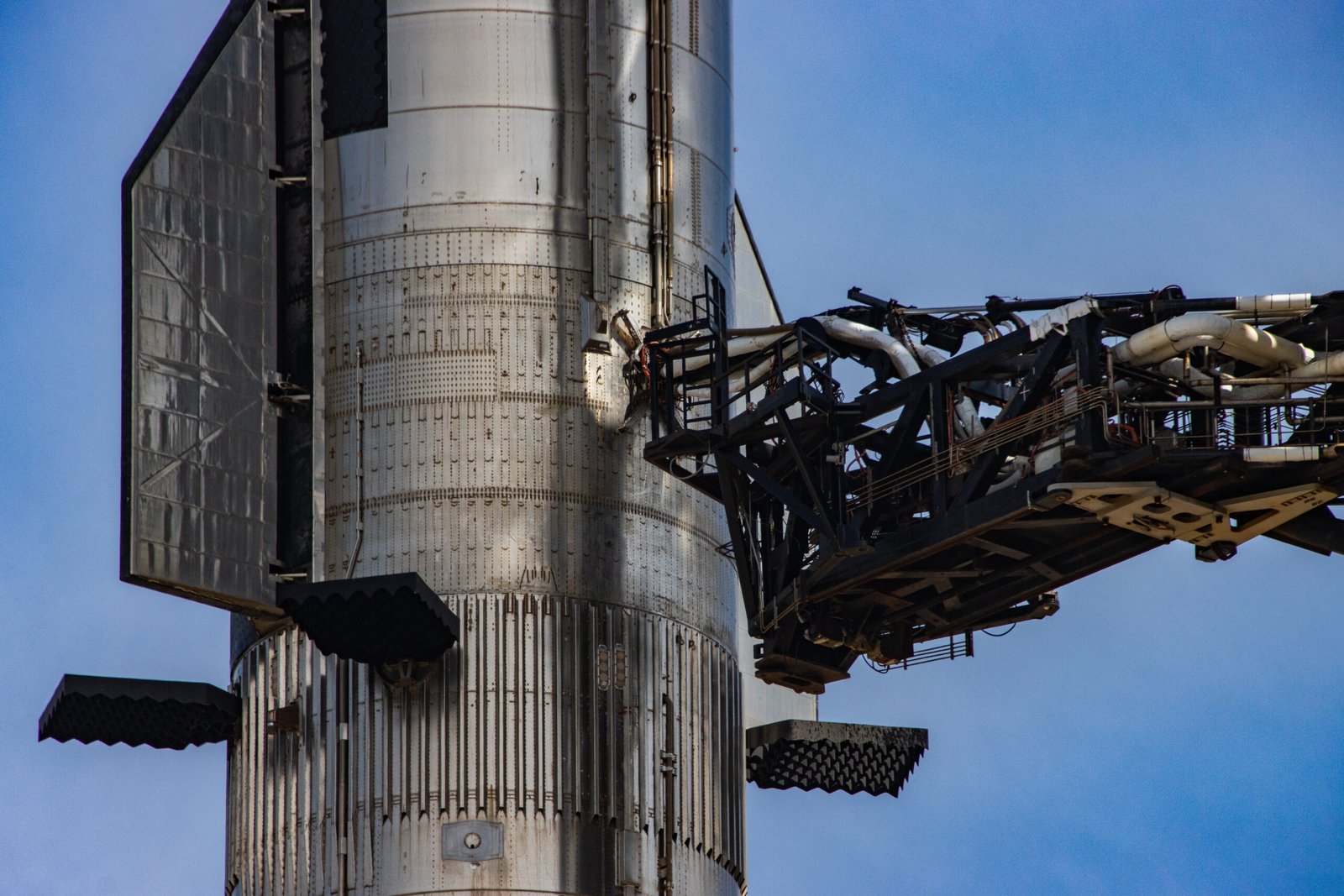
A SpaceX booster in full-stack configuration at Starbase. Photo: JennyHPhoto, CC BY-SA 4.0, via Wikimedia Commons.
SpaceX is becoming an AI landlord
The deeper story is what the computers are for. SpaceX bought Musk’s AI lab xAI earlier this year, and last month reported a 161 percent jump in revenue, with AI revenue up ninefold in the third quarter. It already rents computing capacity to Google and Anthropic. So the facility is not only for SpaceX’s own models. It is infrastructure Musk can sell to the biggest AI labs in the world, powered by a plant he owns, in a city he effectively runs.
That is a very different business from launching rockets. AI computing could be a third leg after launch and Starlink: selling raw compute to companies that cannot build power plants fast enough themselves. The risk is equally large. A gas-fired plant ties the AI bet to fossil fuels just as data center power turns political, and the build-out only pays off if AI demand keeps growing.
What to watch next
December 9 is the first date that matters, when the Starbase commission votes on the tax abatement and the development agreement. After that, watch the permits: plant size, emissions approvals, and whether the project survives the data center backlash. And watch the pipeline. Starpipe is due in service by January 2027, the first physical piece of this plan. If the power plant moves ahead, Starbase stops looking like a launch site with a town attached and starts looking like an energy and computing hub that launches rockets.
Source: Reuters (link).