By Thomas Godwin, Oct. 24, 2026 6:00 pm EST
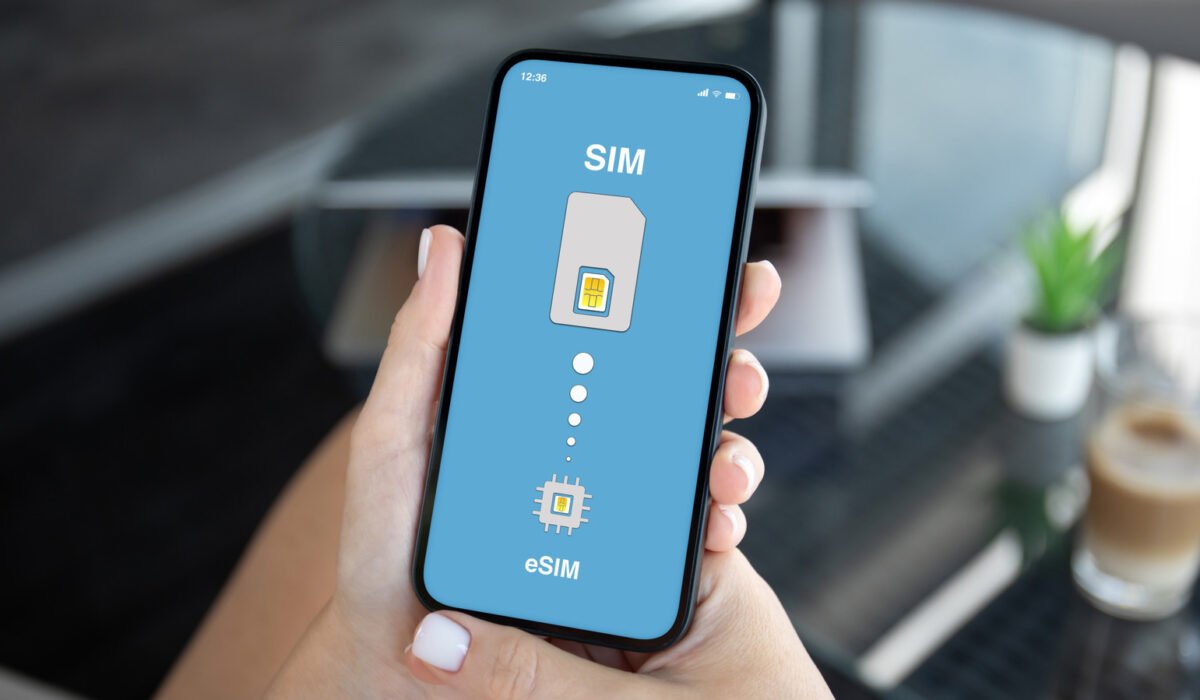
There is no difference in signal quality or data speed between an eSIM and a traditional SIM card. The two technologies simply handle activation and transfer of service in different ways. Both serve as identifiers for your mobile subscription, but a physical SIM can be removed and swapped, whereas an eSIM is built into the device and relies on a downloadable carrier profile.
The main benefits of an eSIM are flexibility and ease of use. You do not need to open a side tray or move a card when you upgrade to a new phone; you can activate a compatible plan through an app, a QR code, or the phone’s settings. Many newer devices allow you to store several profiles, which makes separating work and personal numbers simple without juggling extra cards. For frequent travelers, an eSIM can be especially handy. With an unlocked phone that supports eSIM, you can purchase a travel plan before you leave and avoid hunting for a physical SIM abroad. Depending on the plan, this can cut costs compared with roaming on your home carrier, and you can keep the travel profile dormant until the next trip, rather than misplacing a physical card.
However, an eSIM does not automatically guarantee a better deal. Some domestic plans already include international roaming, making a separate travel eSIM unnecessary. Smaller advantages include not having to wait for a SIM card to be mailed and the fact that removing the SIM slot frees up space inside the phone for larger batteries or other components.
The biggest drawback is compatibility and the process of moving service. Both the handset and the carrier must support eSIM, and support can vary by model and region. An eSIM cannot bypass a carrier lock; the phone generally needs to be unlocked to use a different provider’s plan. Android users can try Opera’s free eSIM feature as a low‑risk test before committing to a purchase. It is wise to verify the requirements before buying a travel plan or assuming you can shift your existing number to a new device, because a downloadable profile is useless if the phone or carrier will not activate it.
Some carriers make transferring service more cumbersome than necessary. Apple’s eSIM Quick Transfer lets you move service between compatible iPhones without contacting support, but other providers still rely on carrier apps, new QR codes, or customer‑service assistance. Cross‑platform transfers are improving, with certain iPhone and Android models now able to exchange eSIMs directly.
When traveling internationally, read the fine print carefully. You may be able to keep your regular number for calls while using the travel eSIM for data, but hidden roaming fees can appear. Set your phone to use the travel eSIM for data as soon as you arrive, or disable the primary line entirely if you do not need calls or texts on that number.
Some users dislike eSIMs because they miss the simplicity of a physical card that can be swapped by hand. For most people, moving a card from one phone to another is straightforward, unless you have difficulty handling tiny objects. The need for in‑app QR codes or carrier‑specific steps can feel cumbersome, so the perceived convenience of eSIMs often depends on how smooth the supporting tools are. Physical SIMs still enjoy broader compatibility with older or basic phones, which appeals to retro‑oriented Gen Z users and many seniors, though that trend is shifting.
Digital activation does not eliminate fraud; SIM‑swap scams remain a threat. Ultimately, the choice comes down to which aspects of convenience matter most to you. If your device supports both formats, you can use either or even both simultaneously—keeping a physical SIM for one line while activating an eSIM for another.