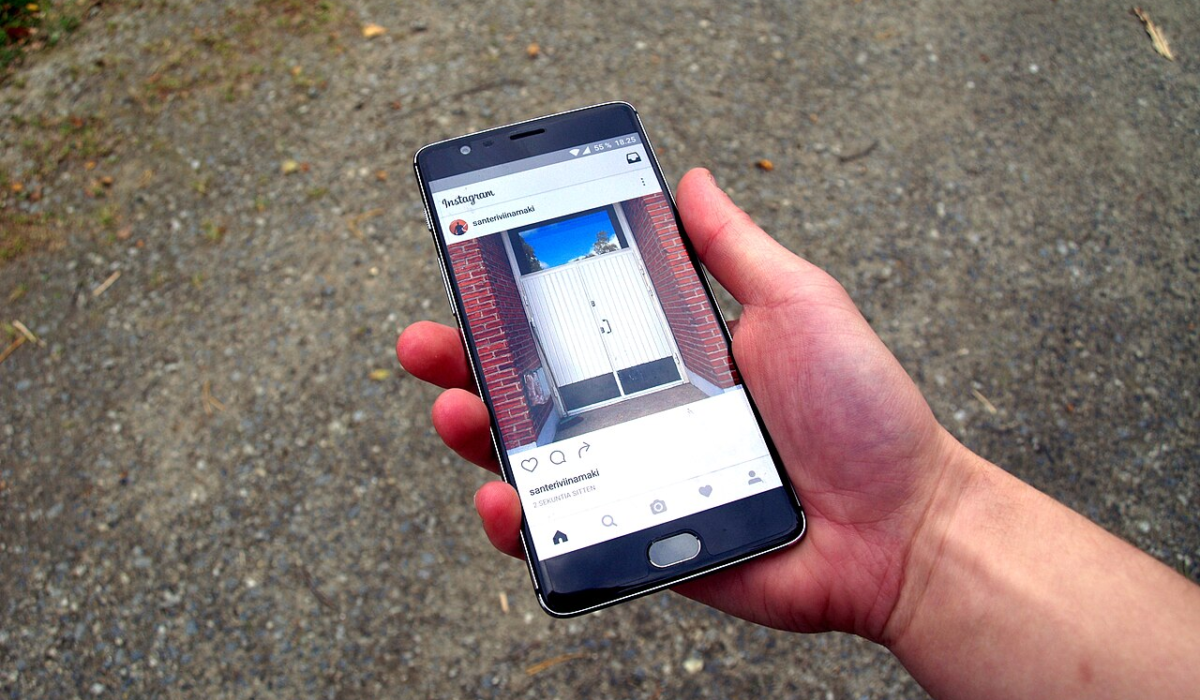
Meta announced on Monday that it is expanding its AI-powered age-estimation technology on Instagram to users around the world. The system is designed to spot accounts that likely belong to teenagers, even when the person behind the account entered an adult birthday at sign-up. Once flagged, those accounts are moved into Instagram’s Teen Account protections, a stricter version of the app with limits on who can contact them and what they can see. Meta says millions more teens will now receive those protections, and the same technology is already rolling out on Facebook, with Threads to follow later this year.
How Meta guesses your age
The tools look at a whole profile, not a single data point. The AI scans posts, comments, bios and captions for clues such as birthday celebrations or mentions of school grades. It also looks at visual cues in photos and videos, including a person’s height or bone structure. The idea is that age leaves traces across an account that are hard to fake all at once, even if the birth date on the profile is wrong. In Australia, Meta has also started using Apple’s age-range signal, which passes an age range from the app store when a parent sets up a phone for a teen.
What Teen Accounts actually change
A Teen Account is a quieter, more restricted version of Instagram. Accounts are private by default, direct messages arrive only from people the teen follows or is already connected to, and harmful comments are hidden. The protections also limit the content teens see and the time they spend on the app. For parents, the practical effect is that a teen who lied about their age no longer gets the full adult version of Instagram by default. This month, parents in the United States will start seeing an in-feed video on Instagram explaining how the system works.
Instagram security. Photo: BiljaST, CC0, via Wikimedia Commons.
Why Meta is moving now
The global rollout is not happening in a vacuum. Meta faces numerous lawsuits accusing its platforms of harming teens, and in August it reached settlements worth up to $18 billion with nearly every US state and territory to resolve those claims. As part of the settlements, Meta agreed to improve how it identifies teens and children under 13, and the age-detection expansion is part of that commitment under an agreement with 52 bipartisan attorneys general. The timing also matters because governments around the world are rapidly passing teen-safety laws, many of which demand age checks without explaining how companies should do them.
What to watch next
The big open question is accuracy. An AI system that reads photos and posts will sometimes get it wrong, placing adults into teen protections or missing real teens. Meta says its earlier rollout produced encouraging results, but it has not published detailed accuracy figures. There is also a privacy tension: the same scanning that protects teens means Meta’s systems are reading more of what people post. And Meta itself points out the limit of going alone, calling on TikTok and YouTube to adopt similar practices, since teens use many apps and inconsistent protection defeats the purpose. Whether rivals follow, and whether regulators accept AI estimation instead of ID checks, will decide how far this approach goes.