Wall Street has put a number on Elon Musk’s political problem. Dan Ives, a strategist at Yorkville Ives and a well known Tesla watcher, says SpaceX shares now carry a 20 to 25 percent political discount after last week’s midterm elections handed Democrats control of Congress and the Texas governor’s office. The discount is striking because Ives is not turning bearish. He still expects SpaceX to buy Tesla, only on a harder road than before.
What the discount is really pricing
A political discount is not a judgement on rockets or cars. It is the market charging for uncertainty about permits, tax breaks and regulators. SpaceX wants to build much of its artificial intelligence future in Texas, including a 24 billion dollar power plant and supercomputing campus at Starbase, its Gulf Coast launch site. The project needs a property tax abatement, and the Starbase City Commission takes it up at a public meeting on December 9. Texas governor-elect Gina Hinojosa has called for a pause in new data center construction until stronger protections for host communities are in place. She has also said she is willing to work with Musk’s companies on her administration’s terms. In September, outgoing governor Greg Abbott ordered a pause in data center permits pending power and water audits. The message from both parties is the same: building in Texas now comes with conditions.
Negotiation, not relocation
Ives does not think Musk can dodge the problem by moving. “He will come to the table. I do think the negotiation will happen,” he told Anthony Pompliano on The Pomp Podcast, adding that Florida is not a simple substitute for Texas. That matters because SpaceX’s Texas footprint is now enormous: its headquarters, the Starbase launch site, a Starlink factory and the planned Terafab chip project all sit in the state. Relocating any of that would take years and billions. The practical path is a deal with the new administration: community protections in exchange for permits and tax support. Investors should read Ives’s call as a prediction that a compromise gets struck, not that the expansion stops.
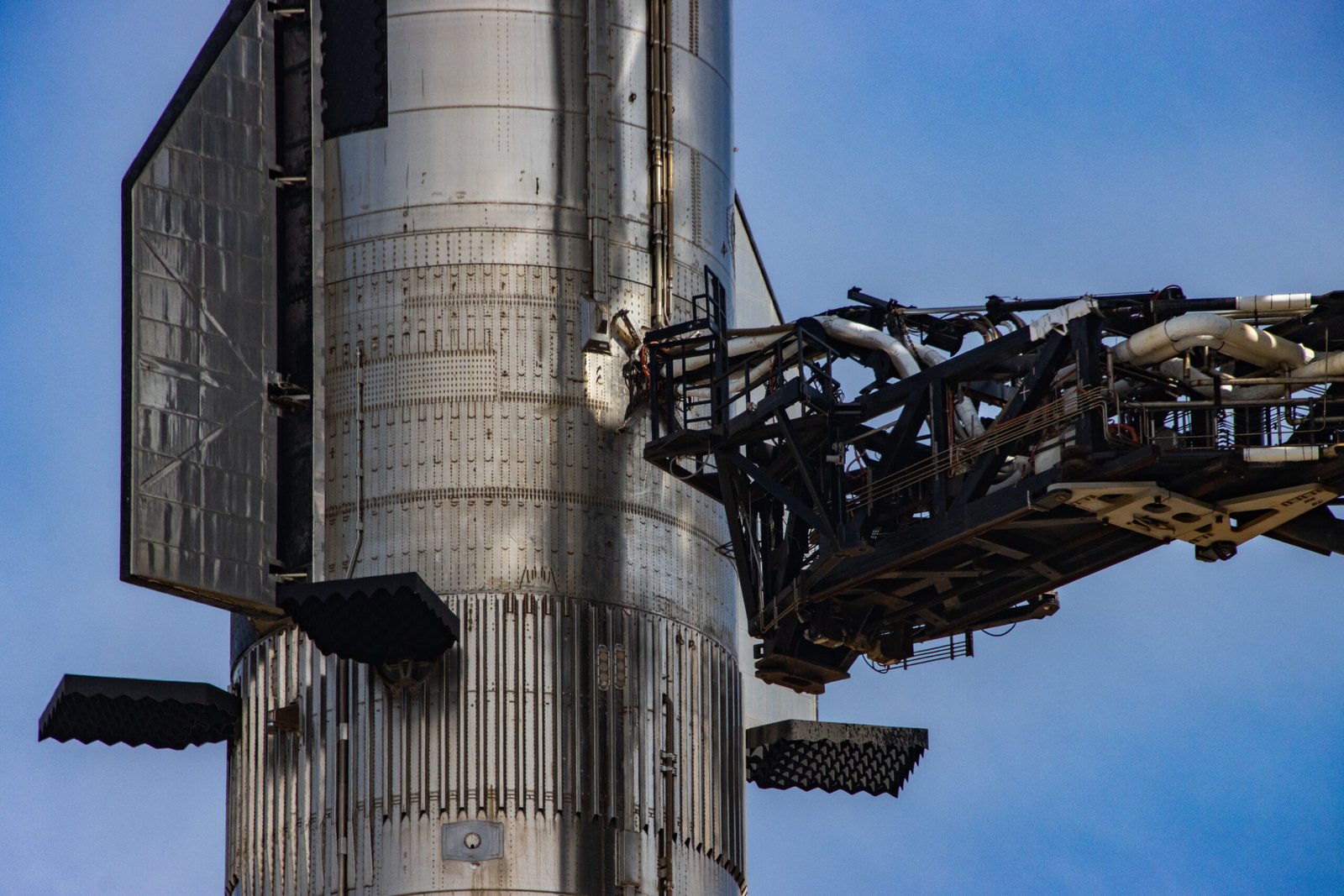
A SpaceX booster in full-stack configuration at Starbase. Photo: JennyHPhoto, CC BY-SA 4.0, via Wikimedia Commons.
Why the merger still makes sense
Underneath the politics, the case for combining SpaceX and Tesla keeps getting stronger, and it has little to do with rockets. SpaceX’s SI division, which covers AI infrastructure and services, generated 7.56 billion dollars in third quarter revenue, more than half of the company’s 14.58 billion dollar total. Tesla, meanwhile, is steering its future toward robotics, autonomous driving and the Cybercab, with the Cybertruck treated as a niche product. The shared thread is Terafab, the giant chipmaking project in Texas that would feed both companies’ AI ambitions. Both companies have formed special committees to explore a merger, and Musk has publicly called the idea a good one, though he is staying out of the committees’ work because of conflicts of interest. SpaceX has warned a deal may never happen, and it would need committee, board and shareholder approval.
What to watch next
December 9 is the first real test, when the Starbase commission votes on the tax abatement and the economic development agreement. Watch whether Hinojosa’s team signals terms Musk can accept. The share prices tell their own story: SpaceX stock rose 1 percent on Tuesday to 143.09 dollars, its third straight session of gains, while retail traders on Stocktwits stayed bullish on SpaceX and bearish on Tesla. Both stocks are still down sharply this year, SpaceX by 11 percent and Tesla by 16 percent. If Ives is right, a quarter of SpaceX’s value is politics, and politics can change.
Source: Stocktwits (link).