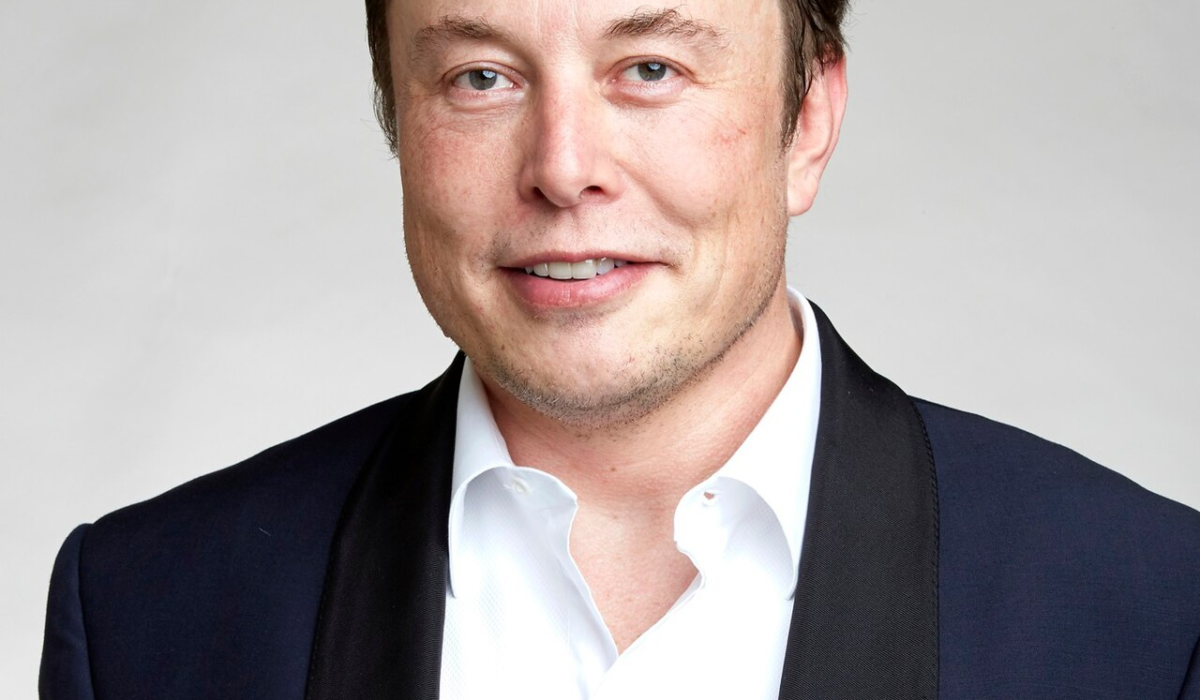
Elon Musk spent nearly $500 million trying to shape the US midterm elections, and the result was a sweeping defeat. Democrats won large majorities in the House and Senate, and in Texas, the state Musk now calls home, the candidate he spent the most to defeat won by 12 points. The details come from a New York Times account based on interviews with nearly 30 people close to Musk’s political operation.
A $500 million bet that backfired
Musk’s super political action committee, America PAC, grew its budget to $150 million or $160 million over the cycle, driven largely by Texas. In mid-September, Musk approved sending $158 million to the super PAC aligned with Senate Republicans to rescue Ken Paxton, the party’s Senate nominee in Texas. In total, more than $210 million of Musk-linked spending went to Paxton.
Paxton still lost. James Talarico won by 12 points, wider than America PAC’s own final poll, which had him ahead by 6. When the result became clear, Musk deleted an X post urging Republicans to vote, then joked early Wednesday: “Guess my election-interfering space lasers didn’t work this time.”
The defeat carries consequences beyond one seat. Musk will soon be represented by a senator who has said he wants to “tax trillionaires out of existence,” and with Democrats in control of Congress and top Texas offices, he is all but certain to face new scrutiny in the state where many of his businesses operate.
All in on Texas
Texas was not even on Musk’s initial list of six Senate races. But over the summer, his advisers began telling allies he planned to put an eye-popping amount into the state to help Republican House candidates. Then Paxton’s campaign ran short of cash and the spending snowballed. After a fundraising call warning the race could be lost, Musk’s top political adviser negotiated a split $15 million ad reservation for Paxton, then won Musk’s sign-off for the $158 million transfer.
Musk also spent $12.5 million on Texas state politics. It did not help: Governor Greg Abbott, Lieutenant Governor Dan Patrick and all the other Republican statewide candidates lost. The failure was not Musk’s first expensive lesson. In a 2025 Wisconsin judicial election, he spent $47 million and his candidate lost.
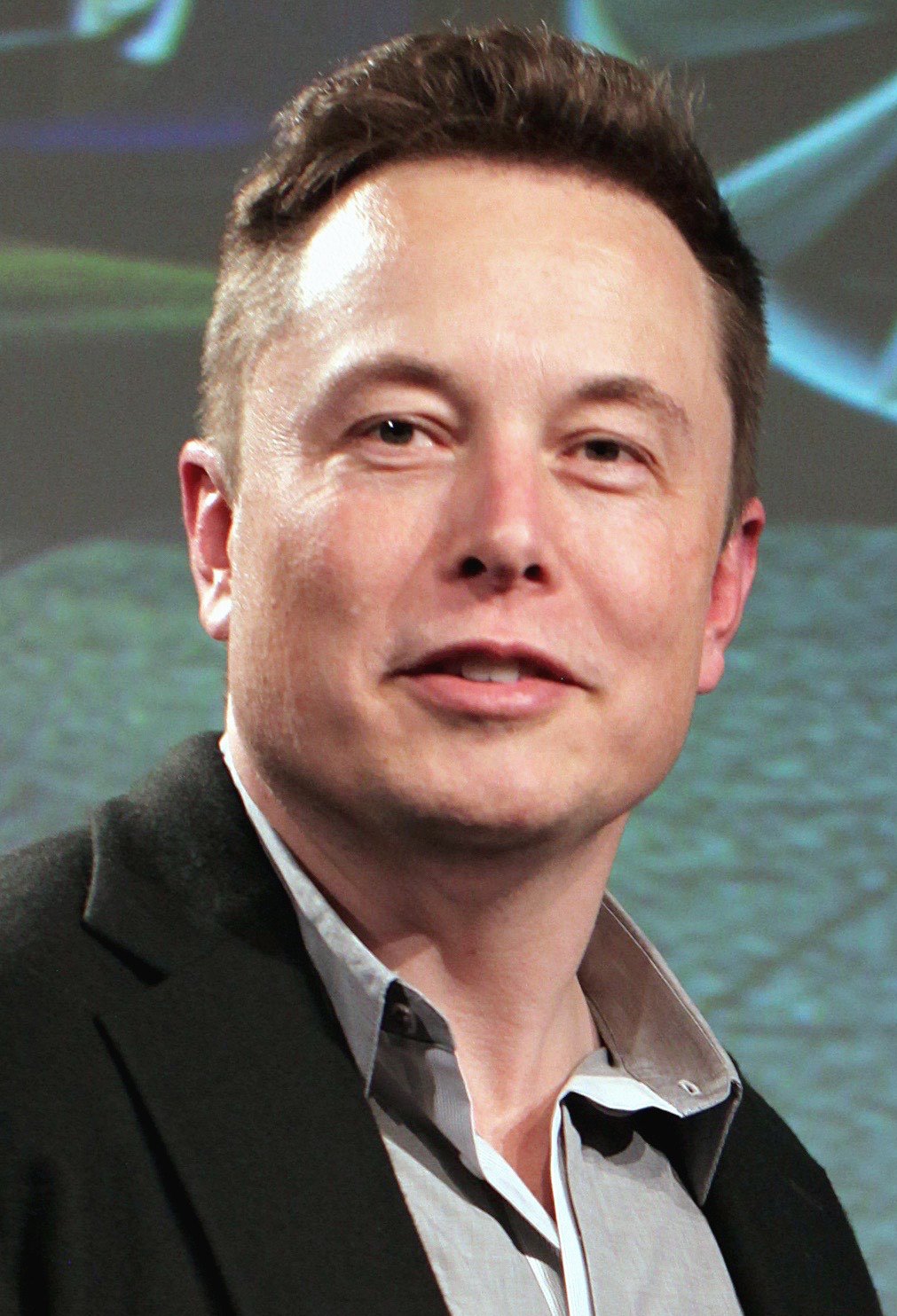
Elon Musk in 2015. Photo: Steve Jurvetson, CC BY 2.0, via Wikimedia Commons.
A ground game built on door knocks
Inside America PAC, some advisers argued for more focus on persuasion than turnout. Musk rejected that, saying persuasion spending was a waste and the real return came from door-knockers, something he believes he does better than anybody else.
The operation was enormous, bigger than the one he ran in 2024. Thousands of paid canvassers knocked on millions of doors of Republican-leaning Americans unlikely to vote. In Texas alone, the group knocked on roughly 1.7 million doors over the final three weeks of September, paying firms about $4.50 a door and most canvassers roughly $2 or $2.50 per door. But the field operation did not start in full until around Labor Day, and in some Texas markets it missed targets for lack of labor.
The super PAC also texted voters AI-generated personalized videos of President Donald Trump using their first names. Training slides obtained by the Times showed canvassers were told America PAC was an “independent organization,” with no mention of Musk.
What comes next for Musk
As Election Day approached, Musk’s advisers feared a blue wave and were skittish about being blamed. They came to see the midterms as a referendum on Trump, especially his decision to go to war with Iran. Some in Musk’s orbit are now pointing fingers over who is responsible and whether he should have spent so much in Texas.
Source: The New York Times via Deccan Herald (link).