Shares of Tesla and SpaceX slipped in after-hours trading on Tuesday night as early results from the US midterm elections pointed to a Democratic surge, according to Bloomberg reporting. The moves put the spotlight on Elon Musk, the chief executive behind both companies and a prominent Republican backer in this election cycle, and on what a Democrat-controlled Congress could mean for his business empire.
What happened in after-hours trading
Both companies fell about 1.8 percent in postmarket trading on Tuesday after Senator Jon Ossoff was projected to win reelection in Georgia in an early call after polls closed, Bloomberg reported. As the night went on, the picture strengthened for Democrats, with Decision Desk HQ projecting the party would take control of both the US House and the Senate. The Wall Street Journal also reported both stocks down nearly 2 percent in postmarket trading, with prediction markets putting the odds of Democrats taking both chambers at around 99 percent.
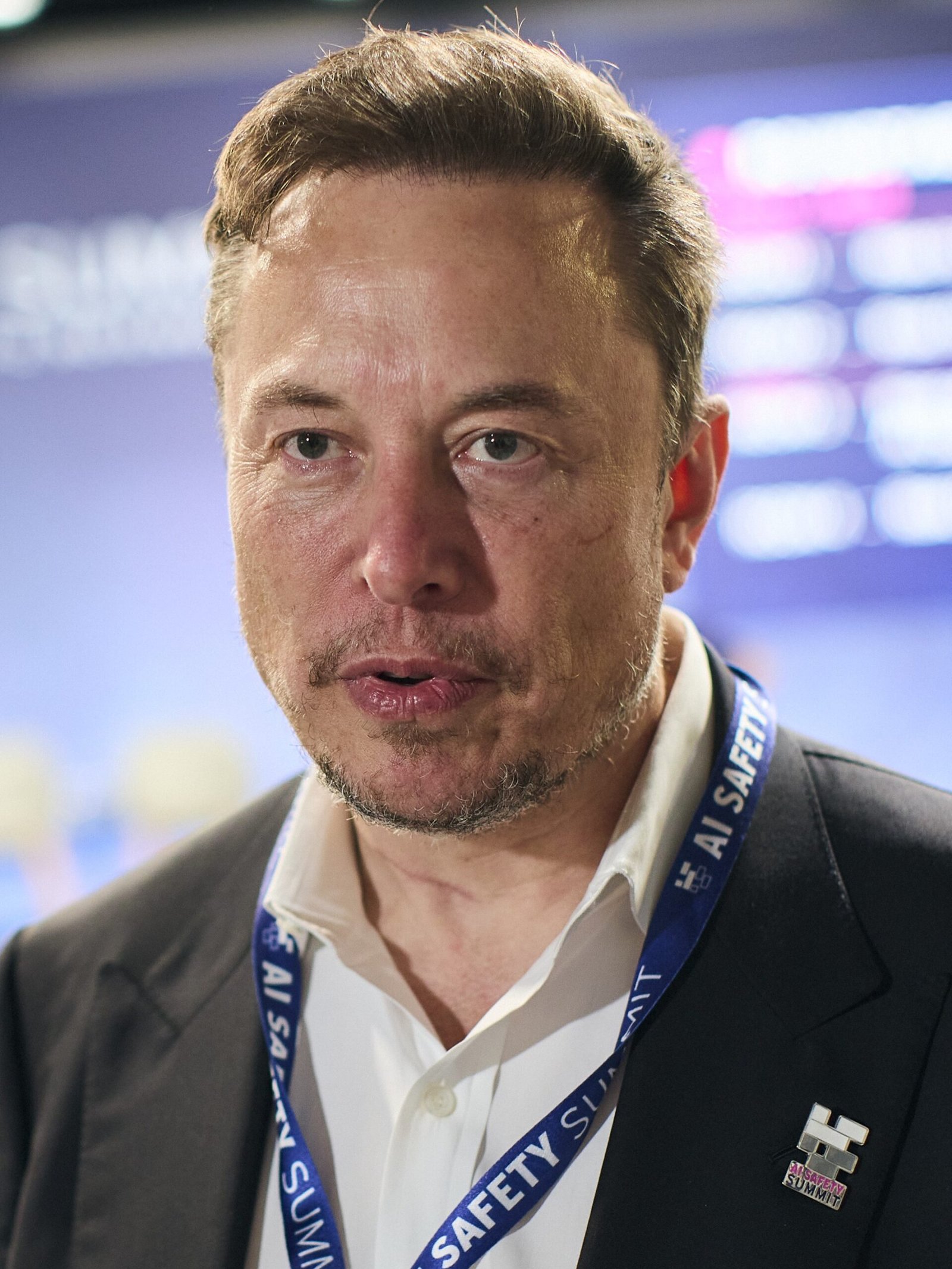
Elon Musk at the UK AI Summit in 2023. Photo by Marcel Grabowski / UK Government, via Wikimedia Commons.
Why investors are watching AI regulation
For investors, a Democratic Congress raises two worries at once. The first is tighter regulation of artificial intelligence, including scrutiny of the huge data center buildout needed to train and run AI systems. That matters directly to Musk, whose companies span electric vehicles, rockets, satellites, and the xAI artificial intelligence business that merged with SpaceX earlier this year. The second worry is closer scrutiny of government contracts, an area where SpaceX in particular has a great deal at stake. Musk’s close ties to President Donald Trump, including a spell as a White House adviser early last year, have made his companies unusually sensitive to the political climate. Tesla’s stock surged more than 90 percent within a month of Trump’s reelection in 2024, according to Bloomberg’s account, and it has risen about 34 percent since late July on investor optimism around AI products and a possible merger with SpaceX.
What it could mean for a Tesla-SpaceX merger
The merger question is now the one to watch. Congress cannot single-handedly kill a deal, First New York analyst Vikram Rai told Bloomberg, but an empowered Democratic majority could slow the process down. Bloomberg cited sources saying Musk is accelerating merger discussions, with plans to announce an agreement between Tesla and SpaceX in the first half of next year, aiming to complete the deal while Trump is still in office. A delay would not end that plan, but it could add regulatory hurdles and political noise to one of the largest corporate combinations ever attempted. SpaceX’s market value reached about 1.9 trillion dollars following its initial public offering earlier this year, according to Bloomberg’s account, which shows the scale of what is at stake.
Musk’s own response: data centers in space
Musk himself reacted on X in the early hours of Wednesday, writing that data centers in space were looking pretty appealing right now, and joking that his election-interfering space lasers had not worked this time, the Times of India reported. In the run-up to the midterms, Musk contributed about 450 million dollars to Republican fundraising efforts, according to Bloomberg’s account, and urged his 240 million followers on X not to vote for Democratic candidates. Whether the after-hours dip turns into a lasting repricing will depend on how far Democrats go on AI regulation and contract scrutiny, and on whether the Tesla-SpaceX merger stays on track. For now, Wall Street has sent Musk a clear message: politics is part of the investment case for his companies, for better and for worse.
Source: Bloomberg, as reported by Moneycontrol (link)