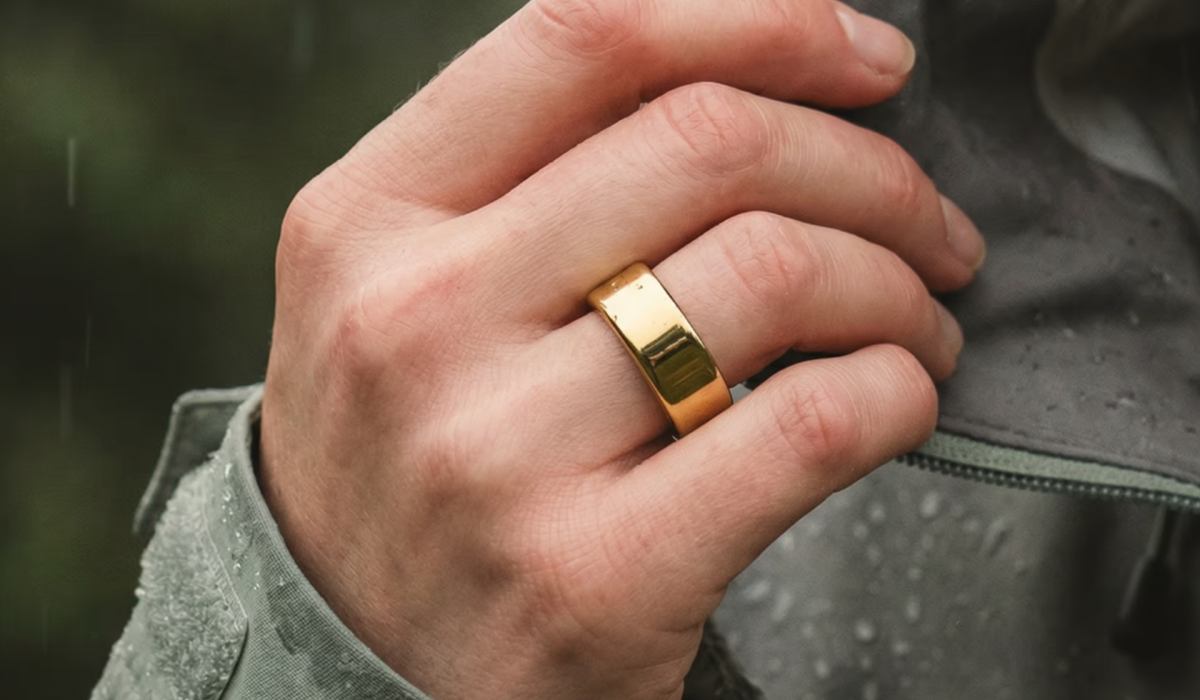
Oura, the maker of popular smart rings, has taken legal action against Indian competitor Ultrahuman in an effort to stop the American distribution of Ultrahuman’s Ring Pro. The complaint, filed on Thursday in a Texas federal court, accuses the Bengaluru‑based startup of infringing two Oura patents that protect the ring’s design and internal components such as its battery and sensors. Oura is seeking monetary compensation and a permanent injunction that would bar Ultrahuman from selling the device in the United States.
Ultrahuman introduced the redesigned Ring Pro in February, and the product cleared U.S. Customs and Border Protection in March, allowing the company to re‑enter the U.S. market after an earlier import ban on its Ring Air. That ban followed an International Trade Commission ruling in August of last year that found Ultrahuman’s Ring Air infringed Oura’s patents.
“Ultrahuman has a history of copying Oura’s innovations, as demonstrated by the 2025 ITC ruling against the company,” an Oura spokesperson told TechCrunch. “The redesigned ring still infringes our patents, and the company is trying to profit from our technology and market leadership.”
Oura points out that the Customs decision addressed only the patent involved in the prior dispute, not the two patents cited in the new suit—U.S. Patent D804,471 and U.S. Patent 12,769,363. The latter was granted to Oura on October 20, just two days before the lawsuit was filed, and covers a smart ring design that includes a curved battery, circuit board, magnets and sensors.
The complaint also names Texas‑based electronics manufacturer SVTronics as a defendant, alleging that the firm produces the Ring Pro at its Plano facility under Ultrahuman’s direction. Oura claims both companies violate its patents through manufacturing, importation and sale of the ring in the United States.
Ultrahuman co‑founder and CEO Mohit Kumar told TechCrunch that the company is confident in the Ring Pro and will contest the allegations. “Oura has now chosen to assert different patents, including one that issued just two days before this lawsuit was filed,” Kumar said. “We will address these claims through the appropriate legal process and will defend our position vigorously. There is no court order affecting Ring Pro, and it remains available to customers in the U.S.”
The two firms have been locked in patent battles since 2023, when Oura first sued Ultrahuman over the Ring Air, a product that helped the Indian startup gain visibility in the American market. Oura later filed a separate case with the International Trade Commission in 2024, which led to the import ban on the Ring Air last year.
Oura’s legal campaign extends beyond Ultrahuman. The company has also pursued infringement claims against Samsung, RingConn, Circular and Zepp Health. Some of those disputes have been resolved through licensing agreements, with RingConn and Circular agreeing to pay royalties to continue selling their rings.
The lawsuit arrives as the smart‑ring sector continues to expand. Research firm IDC projects global shipments to grow 12.8 percent this year to 4.9 million units, reaching roughly 6.3 million by 2030. While Oura remains a dominant player, Ultrahuman is among a growing list of challengers.
The timing is notable for Oura, which recently postponed a planned $2.2 billion IPO, citing market uncertainty. The company has continued to add features to its rings, unveiling new fitness metrics this week that help users gauge the cardiovascular impact of their workouts.
Ultrahuman, meanwhile, secured $70 million in funding in September from investors including Qualcomm Ventures and Labcorp, valuing the startup at about $365 million. The firm is collaborating with Qualcomm on a next‑generation smart ring that could run more software locally, aiming to branch out from pure health tracking into AI interactions and gaming.
The article has been updated with comments from Ultrahuman’s CEO Mohit Kumar.