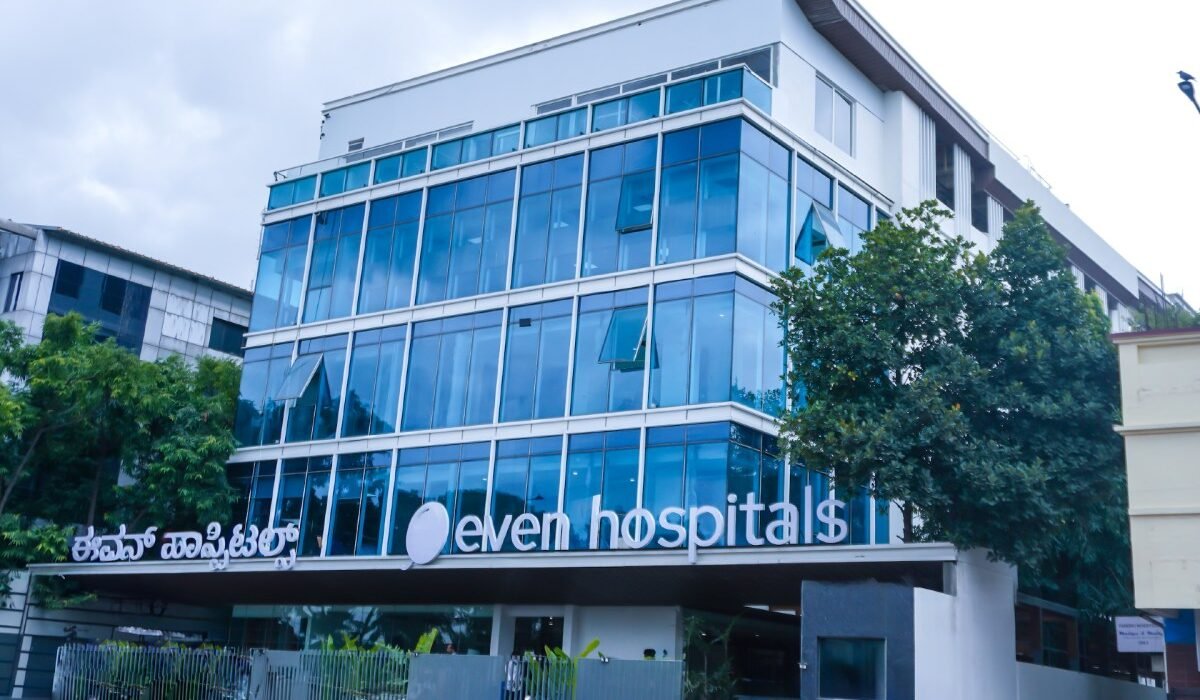
Even Healthcare has secured $50 million in a Series B equity round led by Khosla Ventures, aiming to overhaul how hospitals in India generate revenue and how physicians are compensated. The financing also included Alpha Wave and values the startup at $300 million, three times its worth just 18 months earlier, according to the company. With this injection, Even’s total capital raised exceeds $120 million.
In India, hospitals often profit more when patients undergo extra tests, procedures, or extended stays, even when such care is unnecessary. Even seeks to reverse that model by prioritising patient outcomes over the volume of services that inflate bills. Khosla Ventures, a Silicon Valley firm that first invested in Even at its seed stage in 2021, is deepening its support as the company moves to construct and run its own hospitals, giving it tighter control over care quality and costs.
Vinod Khosla, founder of Khosla Ventures, said Even’s strategy goes beyond fixing isolated parts of a fragmented system; it integrates financing, technology and delivery to reward health results rather than service volume. “The clinical and economic results so far give us conviction that this can become an important new model for healthcare in India and beyond,” he said in a prepared statement.
Initially, Even partnered with existing hospitals to treat its members. Founder Mayank Banerjee, who launched the startup in 2021 with Matilde Giglio and Alessandro Ialongo, told TechCrunch that the model was reconsidered after seeing patients undergo tests or surgeries the company deemed unnecessary. “We think patients are getting not only a bad experience, but insurers are getting a bad economic deal. And as a result, we decided to fix it by building our own hospitals,” he explained.
The company now operates two hospitals in Bengaluru, each of which achieved operational profitability, excluding depreciation, within a year of opening. The latest funding will support the launch of five additional facilities in the city over the next six months. Even typically signs 20‑year leases for hospital buildings and invests in outfitting them with medical equipment.
Doctor compensation at Even is based on fixed salaries rather than fees tied to the number of procedures performed, though bonuses can be awarded for positive patient‑reported outcomes. Hospital managers also receive salaries and company‑wide incentives, while marketing teams focus on attracting patients rather than maximizing revenue per patient. Every employee, from physicians to support staff, holds equity in the company, aligning their interests with long‑term performance instead of short‑term billing.
Revenue primarily comes from patients paying for treatment, supplemented by partnerships with insurers. Even is developing a model that would pay the company for hospitalisations it helps prevent, not merely for services rendered. The startup tracks recovery using established medical scoring systems; for knee replacements it employs the Oxford Knee Score to assess pain and mobility. Results are posted on its website alongside data from other health systems for comparison.
Even reports an unplanned readmission rate below 1%, far lower than the industry benchmark of 8%‑15%. The company also claims patients spend 40% less time in hospital and that insurers have saved more than ₹500 million (about $5.27 million). Jai Sajnani, a partner at Khosla Ventures, said the early performance of Even’s hospitals was a key factor in leading the round. “We look forward to helping the Even team put quality care within reach of every family in Bengaluru and across India,” he said.
Despite these gains, Even remains unprofitable. Regulatory filings show a net loss of ₹902 million (about $9.5 million) for fiscal 2025, roughly 25% higher than the prior year, on revenue of ₹272 million (about $2.86 million). In August, the company laid off around 350 staff, according to Indian startup news site Entrackr. Banerjee described the restructuring as a difficult decision, noting that affected employees received severance, extended health coverage and accelerated equity vesting.
Today Even employs about 650 people, including roughly 300 full‑time doctors. The startup counts around 250 000 members and has logged more than 750 000 patient interactions—consultations, diagnostics and surgeries—since its 2021 launch. Banerjee told TechCrunch that profitability could be reached within months if expansion spending stopped, but the company prefers to continue growing. He declined to give a timeline for breakeven, adding, “Right now, we’re investing in growth and serving more patients.”