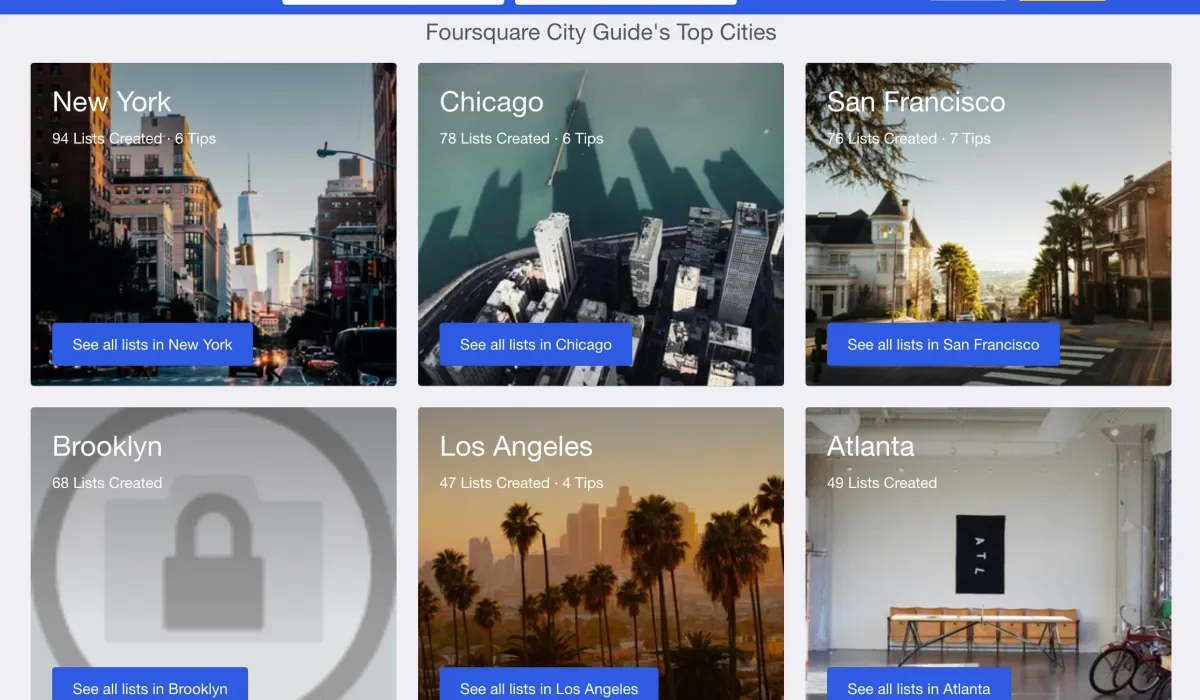
Last month advertising firm Infillion bought location‑data platform Foursquare for an undisclosed sum. In a recent blog entry, Dennis Crowley, who co‑founded Foursquare and previously served as its chief executive, claimed that the sale delivered no value to equity holders. Citing a comment from an angel investor, Crowley suggested that both preferred and common shareholders walked away empty‑handed, and he expressed deep disappointment with the result.
“I was heartbroken by this ending,” Crowley wrote. “So many people put so much time and energy and passion and love into building Foursquare, the company, the products, the brand, the culture. If you were part of it or even close to it, you know exactly what I’m talking about. To our roughly 1,600 former employees over 17 years, I am sorry the Foursquare story ended in such a way that makes it seem like our collective efforts were worth… nothing?”
Crowley noted that the business had performed well after pivoting to enterprise services, posting consecutive years with revenue exceeding $100 million. He recalled that in 2019 the company secured funding from a private‑equity firm, and in 2021 it hired the banker who led that raise to serve as chief executive. He blamed the final outcome on that leadership transition, saying the management team failed to preserve or generate new value.
According to PitchBook, Foursquare had raised more than $411 million in capital before shutting down its consumer app in 2024. The blog post drew reactions from former users who said the service had been valuable for discovering new places and had inspired ideas for other applications. Following Foursquare’s rise, startups such as Zenly and Jagat, along with social platforms Instagram and Snapchat, have experimented with social mapping features.