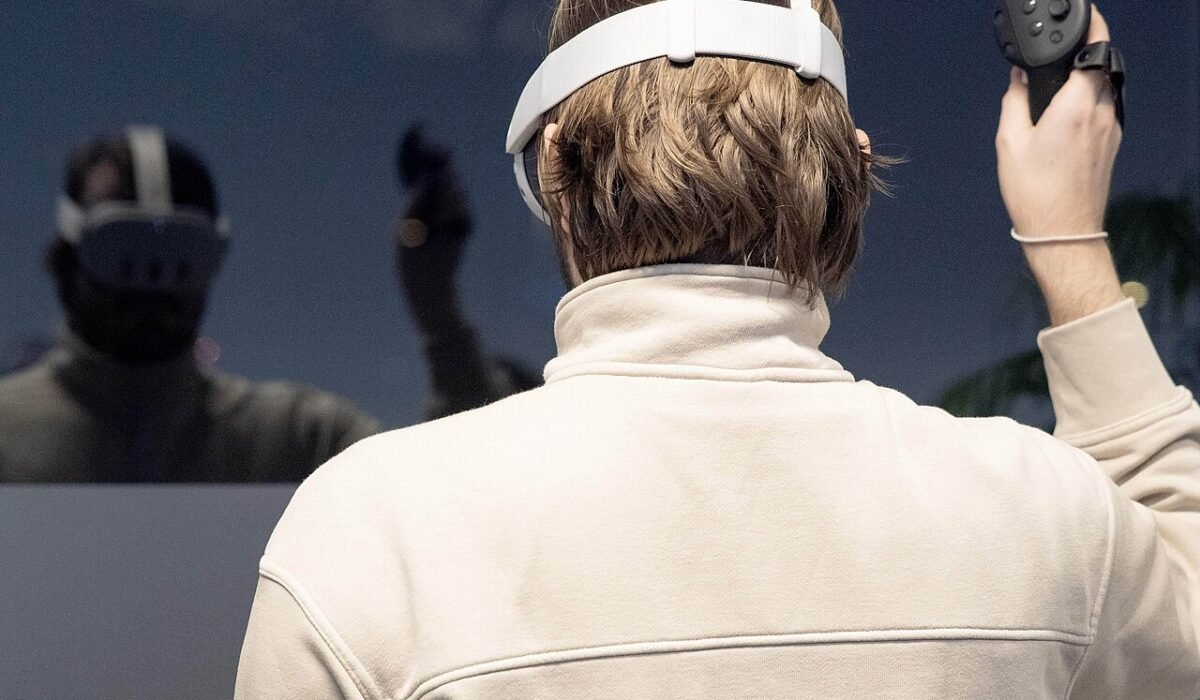
Virtual reality finds itself in an odd spot today. After a period of unmet expectations in the 1990s, the technology resurfaced strongly with the launch of the Oculus Rift in 2016. For a time it seemed that VR, AR, XR, the metaverse or any similar term would become massive. Mark Zuckerberg was clearly convinced, and Apple even joined the excitement with its Vision Pro headset.
By the time the hype peaked, the momentum for these alternate realities was already beginning to wane, and it has continued to decline. The pace of new headset development has slowed, and several companies, Apple included, have reduced or paused their projects. Although releases such as the Steam Frame and the Pimax Dream Air still appear, many of the most intriguing advances now come from hobbyists.
Indeed, building a VR headset yourself is possible. With a few hundred dollars in parts and a substantial amount of time, anyone can dive into virtual reality while dealing with the challenges of soldering, flashing firmware and 3D printing. I went through that process and discovered why the DIY scene remains a niche pursuit.