Gaming has become a pricier hobby in recent years, thanks to import tariffs and soaring memory costs. The PlayStation 5 Pro, for example, launched in 2024 with a $700 price tag, but today its sticker price sits at $900 and resellers such as GameStop are asking as much as $1,400. If you want to play Grand Theft Auto VI at launch, a loan might be necessary. However, if you are content with solid games and don’t need the newest hardware, there are relatively affordable new consoles on the market, though you may have to accept lower graphical fidelity or a less flexible form factor. Keep in mind that a low‑upfront cost can become expensive over time if you never see discounts on games.
For this comparison we are skipping niche devices like the Playdate or Analogue 3D, as well as the countless generic Android tablets that exist. Those may suit some buyers, but they are not what most people picture when they think of a mainstream gaming console.
**The cheapest consoles at launch**
You can rule out anything from Sony or Microsoft if you are looking for the lowest price. After recent hikes, the disc‑less PlayStation 5 Digital Edition costs $600, while the all‑digital Xbox Series S starts at $500. Both systems offer strong game libraries, but most people would not call $500 cheap, especially since neither supports used games. Without disc drives you are limited to whatever discounts appear on Sony’s and Microsoft’s online stores. New releases typically cost $60 or $70, with GTA VI priced at $80. Subscriptions such as Game Pass or PlayStation Plus can lower the per‑game cost if you play a lot, but the extra $10 to $23 per month may be out of reach for those trying to keep expenses down.
A slightly better value is the Nintendo Switch 2, also starting at $500. It allows you to buy used Switch titles on physical cartridges, unlike the fully digital offerings from Sony and Microsoft. Bundles that include Mario Kart World or Nintendo Switch Sports Resort are available for a modest premium and give you games to play right away.
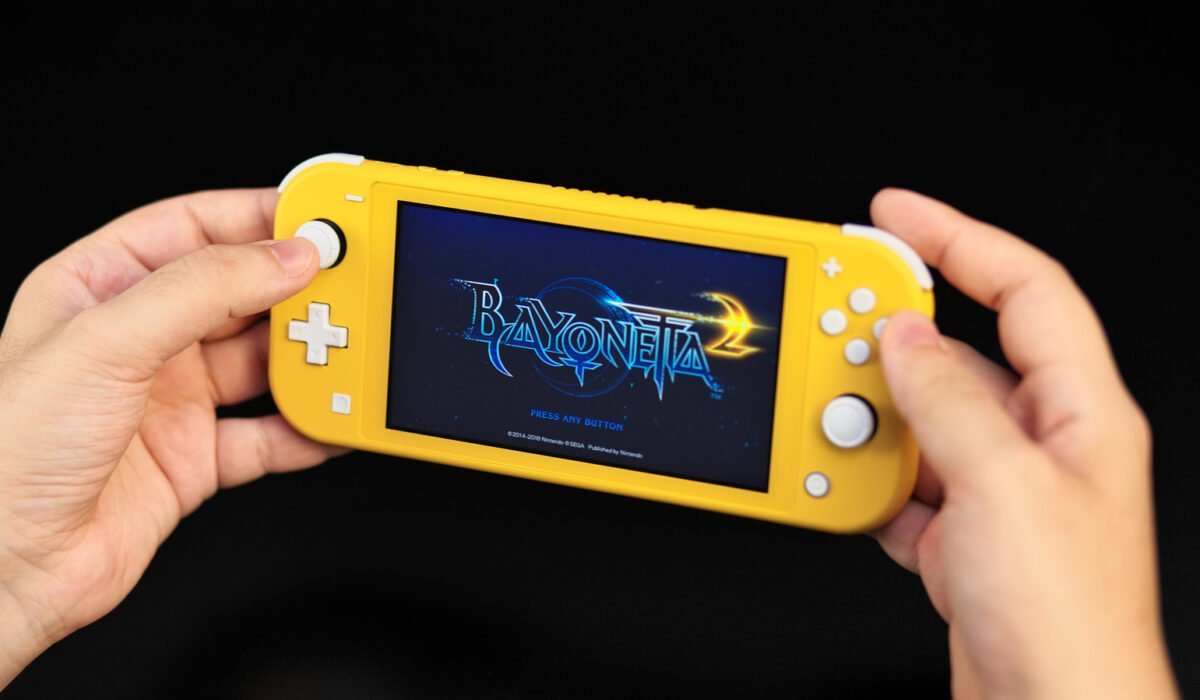
The lowest initial cost, however, belongs to another Nintendo product: the Switch Lite. Priced at $230, it sits in the same price range as many generic Android devices. The Switch Lite is a handheld version of the original 2017 Switch, which means it cannot run Switch 2 exclusives and lacks TV docking capability. If those limitations are acceptable, the device opens up an impressive catalog of games, from first‑party hits like Super Mario Odyssey and The Legend of Zelda: Tears of the Kingdom to popular third‑party and indie titles such as Hades, Portal and Undertale.
**What about a handheld PC?**
Handheld PCs tend to be considerably more expensive. Valve’s Steam Deck OLED starts at $789, and a higher‑performance model like the ASUS ROG Xbox Ally X costs about $1,000. Cheaper options exist, but they are usually second‑hand and rarely dip below $600. These devices do not use physical media, relying instead on digital downloads. Their advantage lies in the deep discounts available on PC storefronts such as GOG and Steam, where decades of games can be found for a few dollars and new releases often drop in price within months. In contrast, Nintendo rarely discounts games that are more than a decade old, so a Switch Lite might not remain the cheapest choice for building a large library over time.
Don’t forget the abundance of free‑to‑play titles. Modern platforms host high‑quality games you can enjoy without spending a cent, including Overwatch, Rocket League, The Finals, Fall Guys, Genshin Impact and many others. Handheld PCs also double as full computers, letting you run productivity apps when you’re not gaming—something a Switch or PS5 cannot do.