Smart glasses are turning everyday wear into a potential surveillance tool, but you are not completely defenseless against this hidden technology. By Jack Peachey, Oct. 27, 2026, 6:30 pm EST
Interest in smart glasses is rising as consumers look for new wearable gadgets, yet concerns about misuse for stalking or other invasive activities are growing. If you share those worries, you may want to learn how to spot the signs of AI‑enabled eyewear. Directly asking strangers whether they are wearing smart glasses can be awkward, but many manufacturers include visual cues that reveal their presence. When those clues are absent, there are still enough indicators to raise suspicion.
How to spot smart glasses
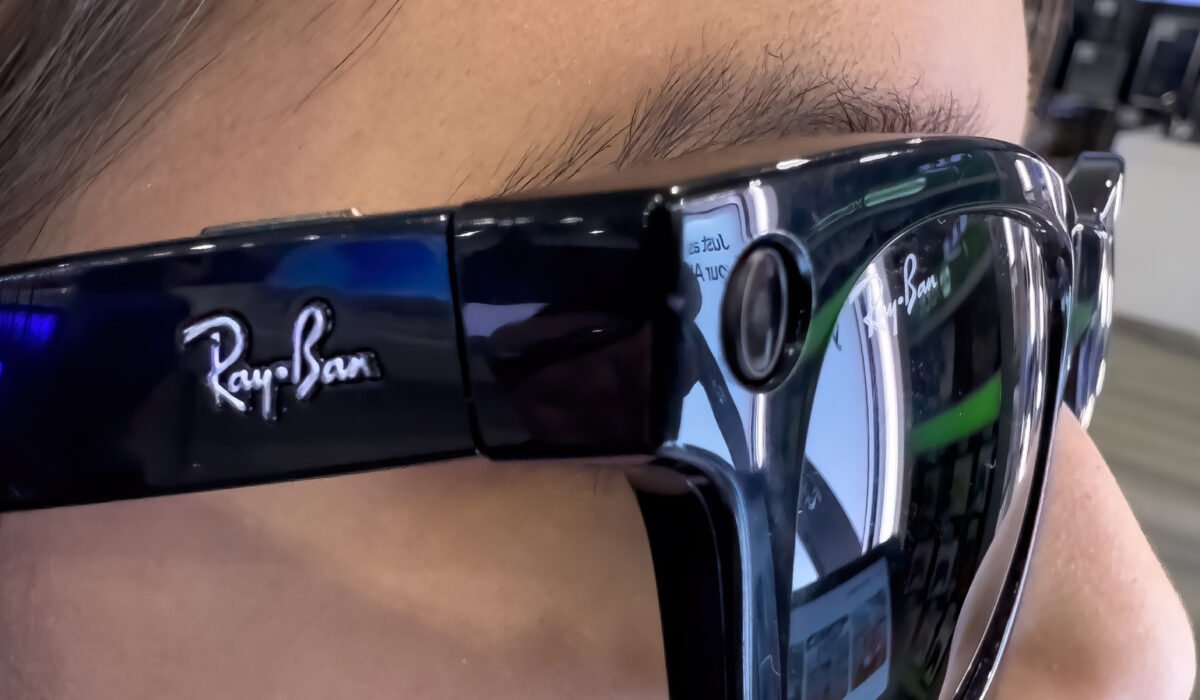
Smart glasses often stand out because the electronics inside them require bulkier frames, especially around the temples and the outer edges of the lenses. Camera lenses are usually placed in that outer section, while any ports or vents tend to appear farther back on the frame. Most models also feature a small LED that lights up when recording, so watching for a blinking light can be helpful. Some inexpensive knock‑off versions sold on platforms like TikTok Shop and Temu lack a recording light, and certain audio‑focused designs such as the Ray‑Ban Meta Audio Glasses do not include a camera at all, so you’ll need to rely on the physical characteristics described above.
Another clue can be the wearer’s behavior. If a person repeatedly taps the temples of their glasses, pauses as if reading a display, or whispers short voice commands, they may be interacting with a smart‑glass interface. These actions are not definitive proof, but they can add to your overall assessment.
Apps that detect nearby smart glasses
A newer line of defense involves smartphone applications that alert you when smart glasses are in the vicinity. Programs like Nearby Glasses and ZuckOff scan for Bluetooth signals and identifiers commonly associated with AI eyewear. These tools are not foolproof; a wearer may have disabled Bluetooth, and false alerts can occur. Nevertheless, they provide a useful first warning.
If you suspect someone nearby is using smart glasses, it is wise to avoid immediate confrontation. Move away from the individual and, if you feel you are being followed, contact law enforcement. In settings that require confidentiality, such as private meetings or events, you might announce a policy that prohibits smart glasses. Should you need to address a stranger about possible recording, do so calmly and in a public space.