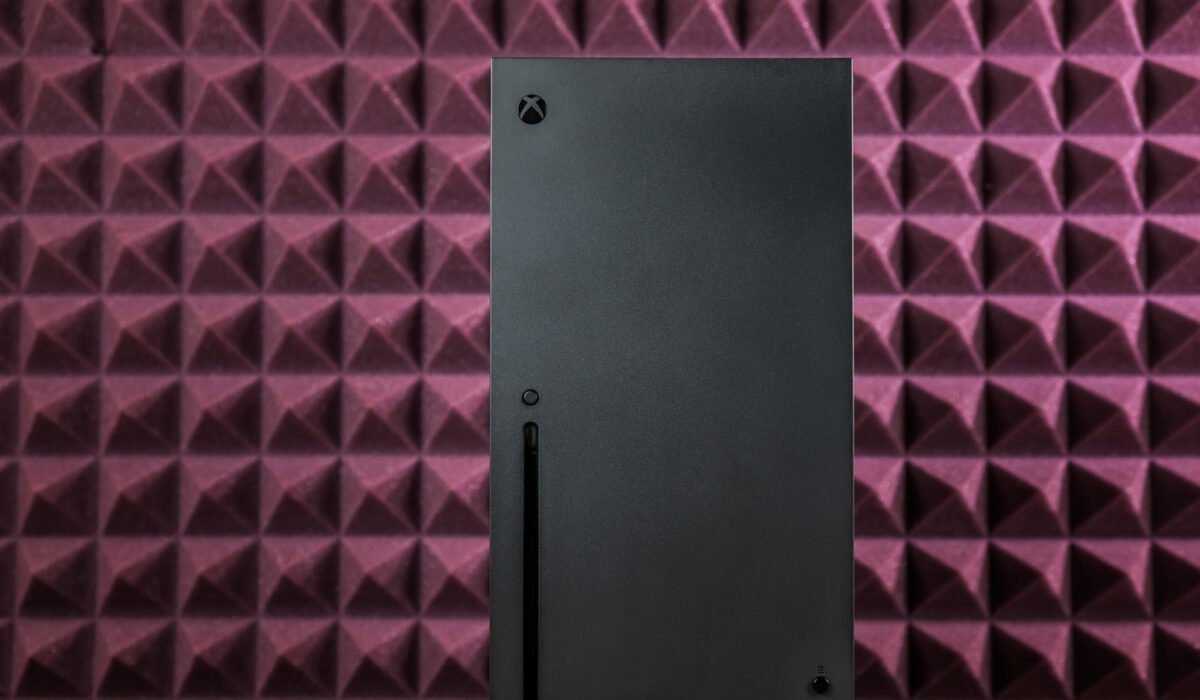
The Xbox Series X still offers solid performance, but buyers should be aware of several downsides that have emerged after six years on the market. The console’s price has risen sharply, the value of Xbox Game Pass has eroded, many of the same games are available on PC, and the new PlayStation 5 Pro outpaces it in raw graphics power.
When the Series X launched in November 2020 it cost $499 and promised 4K gaming at 60 fps with ray‑tracing support. At the time it seemed a good deal compared with the Xbox One’s troubled debut at $500 in 2013. Today, in 2026, the same model typically sells for $799 for the 1 TB disc version and about $750 for the digital‑only “Robot White” edition. Depending on storage options, prices can climb to $900. This increase is largely driven by global demand for memory and storage from AI data centers, making the console far less affordable for most shoppers.
Xbox Game Pass, once hailed as a bargain, has also become more expensive. The basic tier launched at $9.99 per month in 2017 and offered over 100 Xbox One titles plus some backward‑compatible Xbox 360 games. The premium Ultimate tier arrived in 2019 at $14.99 per month, but its price gradually rose to $19.99 by July 2024, then jumped to $29.99 in October 2025. After fan backlash, Microsoft lowered the Ultimate price to $22.99, where it remains. The Essential tier now costs $9.99 for roughly 50 games, while the Premium tier is $14.99 for more than 200 titles across Xbox consoles, PCs and cloud devices, but neither includes day‑one releases. Only Ultimate subscribers can play new launches such as the upcoming Fable reboot on release day. Cloud streaming, once unlimited for Ultimate members, is now capped at 15 hours per month, with lower limits for other tiers and extra hours available for purchase.
For gamers who already own a capable Windows PC, the need for an Xbox Series X diminishes further. A decent gaming laptop or desktop can run the same titles, and PC Game Pass provides access to over 300 games for $13.99 per month, including day‑one Microsoft exclusives like Gears of War: E‑Day. While the Xbox and PC libraries are not identical, most releases appear on both platforms, and many titles that are not on Xbox can be found on Steam, often at discounted prices.
Finally, the PlayStation 5 Pro, released by Sony, outperforms the Xbox Series X in GPU power. The Series X delivers 12.15 teraflops, whereas the PS5 Pro offers 16.7 teraflops, both using custom AMD RDNA APUs with ray‑tracing support. Their CPUs are similar, each based on an AMD Zen 2 eight‑core, sixteen‑thread design, though the Pro runs at a slightly higher 3.85 GHz compared with the Series X’s 3.8 GHz. The higher graphics capability allows the PS5 Pro to run many games at higher resolutions, though CPU‑intensive open‑world titles may not show a large frame‑rate advantage. The current shortage of PS5 Pro units, driven by demand for titles like GTA VI, has also pushed some buyers toward the more readily available Xbox Series X, despite its relative performance gap.